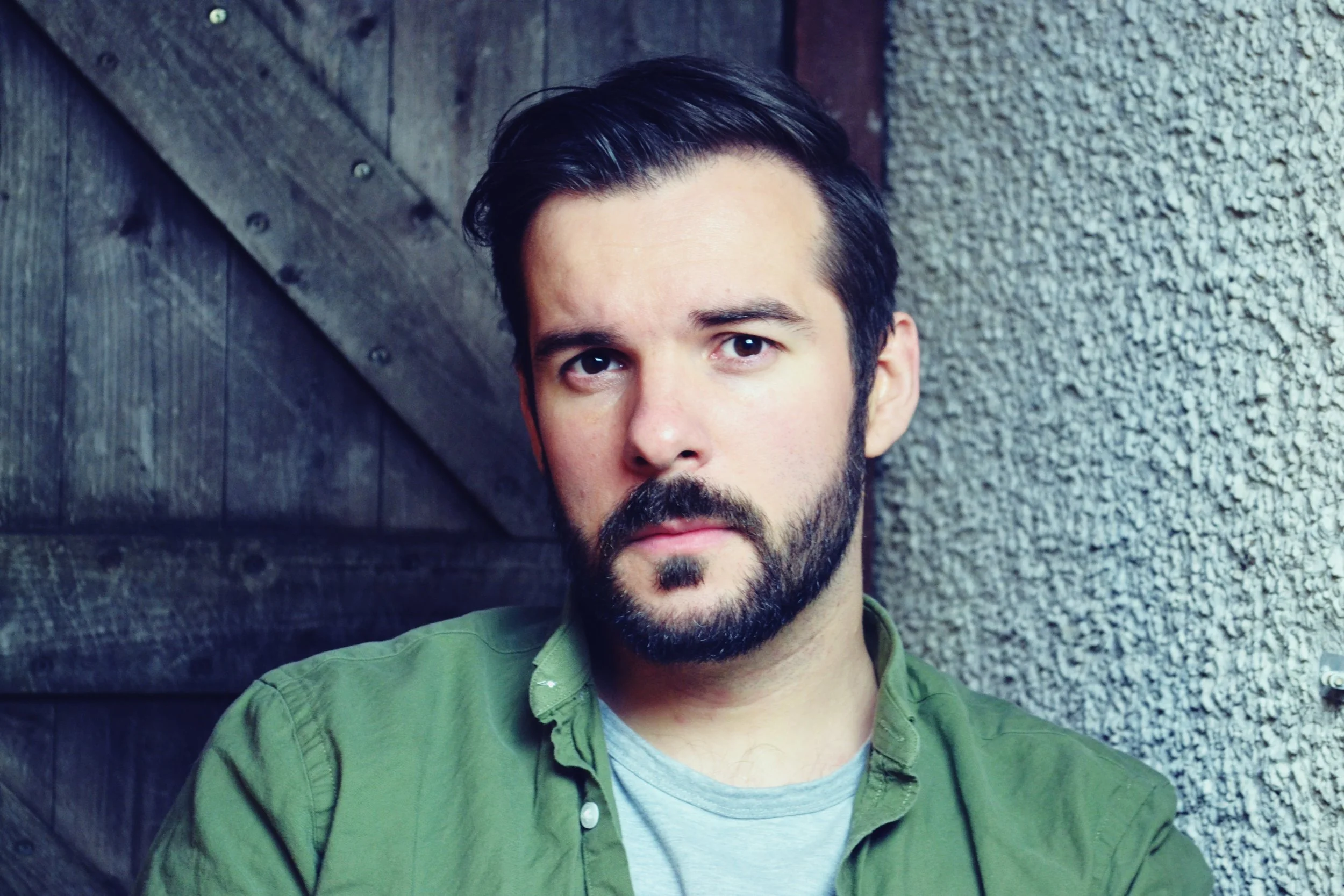
Daniel Lodge is an academic in applied psychology based in the United Kingdom. He holds a First-Class Bachelor of Science with Honours (2023) and a Master of Science with Distinction (2024) in Forensic Psychology from the University of Derby. In addition, he completed the Cambridge Access to Mental Health and Psychology programme (2023) at the University of Cambridge’s Department of Psychiatry. Daniel commenced his Doctorate of Philosophy (PhD) in Applied Psychology at the University of Salford in Greater Manchester in 2025. He is also a Graduate Member of the British Psychological Society. Daniel has formal dual-diagnoses of Asperger’s Syndrome and Autism Spectrum Disorder.
Daniel currently serves as an Honorary Research Associate at the University of Derby, where he continues his work in applied and forensic psychology. His research interests include the social construction of deviance, moral discourse within criminal justice proceedings, sex-related offences, stalking behaviours, and the experiences of individuals with Autism Spectrum Disorder or Klinefelter’s (XXY) Syndrome within the criminal justice system.
Alongside his research, Daniel works directly with individuals—including both young people and adults on the autism spectrum—in forensic and community settings. He also provides consultation to multi-agency partnerships in the criminal justice sector, both domestically and internationally. In 2025, Daniel published the first set of preliminary recommendations for criminal justice practitioners working with autistic individuals who engage in stalking behaviours.
Daniel additionally collaborates with the Alice Ruggles Trust, delivering educational sessions in schools to raise awareness of stalking behaviours from both victim and perpetrator perspectives. He is currently contributing to the development of curriculum-based intervention programmes on stalking behaviours in the United Kingdom for young individuals and has also developed and piloted a 1-to-1 individualised skills-development talking programme for autistic individuals living in forensic and mental health care services.